
A poor credit history negatively affects you because it makes it harder to get approved for new loans. However, it can also make it difficult to rent a home, lead to higher interest rates, or even require you to pay security deposits for utilities, among other things. That’s why it’s important to know how to improve a poor credit history through a strategy based on financial health.
Although good results take time, there are some actions that can have a quick impact. Here, you’ll discover the most effective steps and how long it might take to improve your credit score.
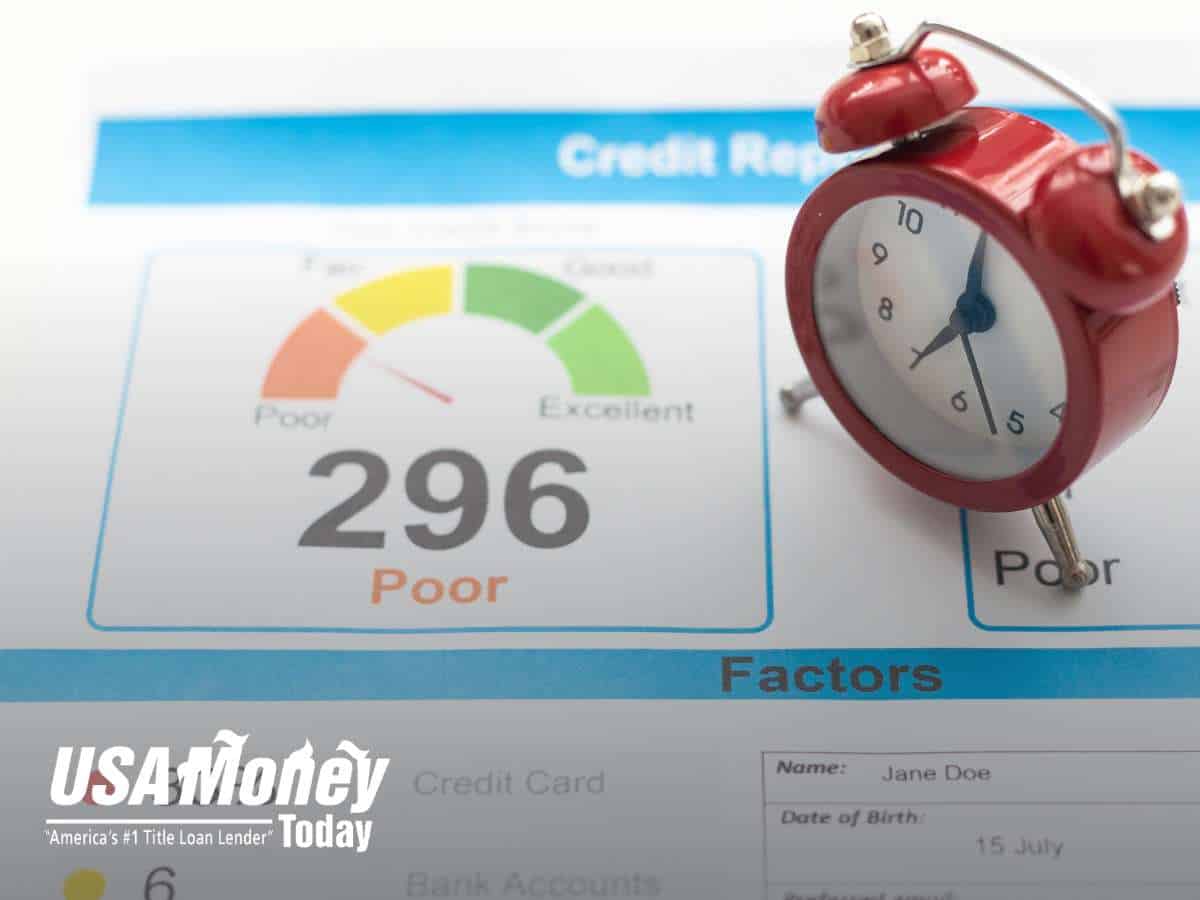
What Affects Your Credit Score?
While scoring models are flexible and may vary, scores are classified as follows:
- Poor: 300–579
- Fair: 580–669
- Good: 670–739
- Very Good: 740–799
- Exceptional: 800–850
Knowing what category you fall into is important. But what’s really important is knowing the 5 factors that impact your credit score the most.
Payment History (35%)
When you apply for RV title loans or any other type of loan, lenders will always want to know that you pay your bills on time.
If you’ve missed payments, have accounts in collections, or have defaulted over time, your score may drop. Instead, you can improve your credit profile by making consistent payments. If you’re having trouble staying current, always prioritize the minimum payments. This will help you avoid new negative marks on your record.
Amounts Owed & Credit Utilization (30%)
The amount of debt you have also matters. We recommend understanding the concept of the “credit utilization ratio” (CUR). This measures the percentage of available credit that has been used. It is calculated by dividing the total balance by the credit limit and multiplying the result by 100.
In general, it’s recommended to keep this percentage below 30%. The lower it is, the better lenders will view your ability to manage debt.
Length of History, Credit Mix & New Credit (35% Combined)
These three factors may seem minor on their own, but together they’re still important. Let’s break it down:
- The age of your accounts is important because it demonstrates your experience managing the credit you’ve been given.
- The type of credit can make a difference. We recommend combining financing options, including car title loans.
- Opening too many new accounts in a short period of time isn’t a good idea. On the contrary, it can raise red flags for lenders and negatively affect your score. You should avoid doing this.
Don’t overlook these three factors if you want to improve your credit score.
How Long Does It Take to Improve a Bad Credit Score?
One of the most frequently asked questions is “how long does it take to improve credit.” However, there is no one-size-fits-all answer, because it depends on your specific situation. In any case, you can use these guidelines as a reference:
- Small improvements may appear within 30 to 60 days after reducing balances or correcting errors.
- For those seeking significant changes, it will most likely take between 6 and 12 months of consistent positive behavior.
- If you’ve had major negative entries on your record, such as collections or serious defaults, they can remain on your credit history for up to 7 years.
The process may seem long. Every small step can improve your credit profile.
Steps to Improve Your Credit Score
Find out how to improve your credit situation, step by step:
1. Check Your Credit Report for Errors
You should always check your credit report. There are more common errors than you might think. For example:
- Accounts that don’t belong to you but appear to be in your name.
- Incorrectly reported payments that seem to be adding to your debt.
- Wrong balances that appear to be negatively affecting your score.
We also recommend distinguishing between soft and hard inquiries. Soft inquiries do not affect your credit information, while hard inquiries are credit requests that do affect your credit history.
2. Set Up Payment Reminders and Autopay
Don’t forget your due dates, because they can also lead to debt. The best way to get into the habit of paying on time is to set up automatic reminders with your bank or enable automatic payments. These days, it’s very easy to do this through any financial institution.
Even a single small late payment can remain on your credit history for years.
3. Lower Your Credit Utilization
To do this, make extra payments each month and spread your expenses across several cards. If you request credit limit increases, do so only when you need them.
In other words, try to use credit only for situations that warrant it. Ask yourself if you truly need it or if it’s something you’re used to and can change. When you reduce your balances, you can improve your credit scores and lower your total interest costs.
4. Pay Down Debt Strategically
Not all debts have the same financial impact. In fact, many experts recommend the “avalanche” method. This means you put extra payments towards the highest interest debt while continuing to make minimum payments on the rest.
Now, say you have a credit card at 25% interest and a personal loan at 10% interest. With the avalanche method, you make the minimum payments on both debts. However, you would allocate any extra money toward the credit card.
Once that debt is paid off, you could then focus those extra funds on the personal loan. This way, you’ll pay less interest overall. As a result, you’ll be able to get out of debt more efficiently. You should always develop a realistic plan that you can stick to consistently.
5. Keep Old Accounts Open
Are you looking for ways to fix a bad credit score? One habit that not everyone practices, but which is highly effective, is not closing old credit cards you no longer use. In many cases, keeping your oldest accounts open can be beneficial. The reason is that they contribute to the average age of your credit history.
If you want to figure out whether this is right for you, it’s simple. Check to see if there are any maintenance fees. If there aren’t, keeping the account open can help strengthen your credit profile over time. Don’t close it.
Common Mistakes That Lower Your Credit Score
It’s important to avoid mistakes that could hinder your efforts to improve your credit score. Find out what hurts your credit score:
Closing Your Oldest Credit Card
Don’t close an old account. Doing so can lower the average age of your credit history and affect your credit utilization ratio.
Opening Multiple Accounts Quickly
Don’t apply for too many lines of credit in a short period of time. This can result in multiple hard inquiries and give the impression that you’re experiencing financial difficulties.
Missing Small Payments
You should pay everything on time and in full. Even relatively small bills can end up being reported to collection agencies if they remain unpaid for too long.
Maxing Out Credit Cards
Using most of your available credit is often interpreted as a sign of financial risk. Avoid this whenever possible.
Excessive Rate Shopping
Comparing options is smart. However, making too many formal applications in a short period can impact your score.
Frequently Asked Questions
Below, we address some common questions about credit history.
Can I improve my credit score if I have missed payments?
Yes. While late payments may remain on your credit history for years, making payments on time will gradually improve your credit score.
How long does it take to improve a bad credit score?
There is no estimated timeframe, because it depends on your financial situation and the factors affecting your credit. However, you may see improvements within 1 to 12 months.
What is a good credit utilization ratio?
It’s recommended to keep your credit utilization below 30% of your available credit limit, as this demonstrates better credit management and can improve your score.
Does checking my credit report lower my credit score?
No. Checking your own credit report is considered a soft inquiry. For this reason, it doesn’t affect your score. We recommend monitoring your report regularly to detect any potential errors.
Should I close old credit card accounts?
In many cases, no. Old accounts can contribute to the length of your credit history, a factor that influences your score. If you aren’t charged a maintenance fee, it’s best to keep them open.
Can I raise my credit score by 100 points?
Yes, it’s possible. However, it depends on your specific situation. Factors such as correcting errors on your report, reducing your credit utilization, and making timely payments can help you achieve this.
Improving Your Credit Takes Time — Here’s Help in the Meantime
The most important thing you should know is that rebuilding your credit is a marathon, not a sprint. Make your payments on time, reduce your balances, and manage your credit responsibly to see good results.
However, financial needs may arise even during this process. In these cases, it can be helpful to turn to a reputable title loan company in Las Vegas, such as USA Money Today. We offer fast approval, no prepayment penalties, and very low rates. See what our customers have to say:
| USA Money Today exceeded my expectations! The staff explained the entire process with patience and professionalism. Gloria was also very efficient and helped with my car loan. Overall, excellent customer service and their prices are still impressively competitive. I’ll definitely recommend their loan services to anyone! | I am very grateful to Gloria, she has always been attentive to me and has managed to give me a hand in adverse situations. I really appreciate this company, they have excellent communication. I put my car on loan since I had a debt and he quoted me in the best fair and reasonable way. Recommended!!! | Gloria is awesome! She helped me understand the process and was very compassionate of my circumstances. She got me a really good rate. I previously shopped around at other places, but thanks to her attention, I am a USA Money Today customer for life! I’ll definitely refer them to friends and family! |
| Lauren Hulshoff ★★★★★ | Mike Capuzzo ★★★★★ | Deborah Dillon ★★★★★ |
Remember that, like any form of financing, these loans should be used responsibly while you continue to improve your long-term financial health.
Want to learn about your options? Call 702-659-9576 or contact us online.